
Supporting Split Digraphs at Home (A Simple Parent Guide)


Split digraphs can feel like a big leap for early readers. The vowel changes, the letters are split, and children often look at you as if the rules have suddenly shifted.
If your child is finding this tricky, you’re not alone. This is a key Year 1 reading pattern, and it takes time, practice and lots of gentle encouragement.
The good news? There are simple ways to support this at home, and they don’t require any special resources. What a split digraph actually is
A split digraph is when a vowel and an e work together to make a long vowel sound, even though the letters are separated by a consonant.
For example:
cap becomes cape
kit becomes kite
hop becomes hope
Children are learning to spot this pattern, hear the vowel change, and blend the new word confidently.
Why this matters in Year 1 Split digraphs appear in so many everyday words. Once children understand the pattern, their reading opens up, longer words make more sense, and their confidence grows.
Schools teach this pattern throughout Year 1, so a little extra practice at home can make a big difference. Simple ways to support split digraphs at home

Draw an arched line
Show how the vowel and the e work together by drawing a curved line over the consonant. This simple visual cue helps children see the connection and understand why the vowel sound changes.
Use a “magic e” wand
A simple wand (or even a pencil) helps children understand that the e changes the vowel sound. Tap the e, say the long vowel, and blend the new word together.
You can take this a step further by sorting the new words into real and nonsense words. This is a key skill in the Phonics Screening Check, because it shows your child can decode using phonics rather than relying on memory.
Spot split digraphs in real life
Magazines, leaflets, menus and even junk mail are full of split digraphs. Circle them, highlight them, or simply point them out together. Real‑world spotting helps children see that phonics isn’t just for worksheets. It’s everywhere.
Add fine‑motor fun
Read the word and draw a matching picture, or read the word and cut and stick the picture next to it. These tiny steps build strong readers and keep practice playful, calm and hands‑on.
Try this at home
Download a simple cut‑and‑stick split‑digraph activity sheet to practise the a‑e pattern together.

What if my child reads it “wrong” first?
This is completely normal. Children often read the short vowel first (hop) before remembering to check for the e (hope).
Gently prompt: “Have another look… is there an e at the end?”
Over time, they’ll start checking automatically.
Keep it light, calm and consistent
A few minutes of practice, little and often, is far more effective than long sessions. Celebrate the small wins: the moment they spot the pattern, the moment they hear the vowel change, the moment they read a longer word with confidence.
If you’d like more support Every child meets split digraphs in their own time, and a little extra guidance can make this stage feel much smoother.
If you’d like more help at home, there are a few gentle ways I can support you:
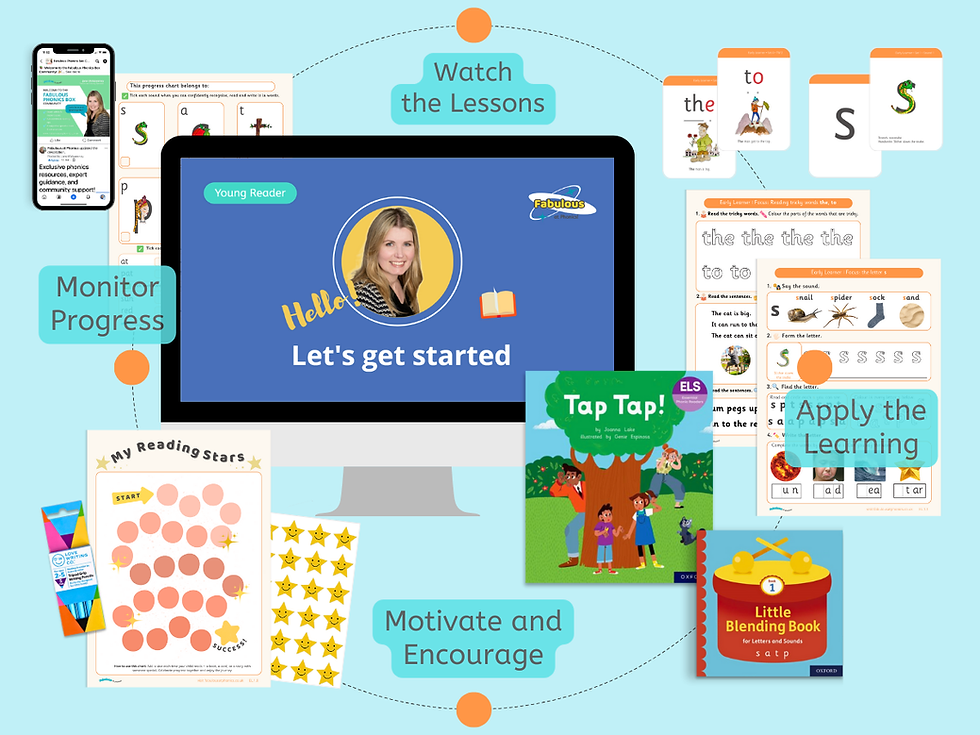
This month’s Growing Learner Box includes calm, hands‑on split‑digraph practice through books, activities, flashcards and short, child‑friendly lessons you can follow together.

My YouTube videos walk you through simple demonstrations you can use straight away.

1:1 tuition is available if your child would benefit from personalised support.
Choose whatever feels right for your family. Small steps, repeated often, build confident readers.


Comments