
What the National Year of Reading Means for Your Child


Reading is everywhere at the moment: posters in libraries, school displays, news headlines, social media campaigns. The National Year of Reading is designed to shine a light on the joy and importance of reading, but for many parents it can also bring a quiet pressure. Am I doing enough? Should my child be further on? What does this actually mean for us at home?
The truth is simple and reassuring. This year isn’t about reading more, faster, or earlier. It’s about helping children feel like readers: confident, curious, and connected, long before they read every word on the page.
And that’s where the real magic happens.
What the National Year of Reading Actually Means
The National Year of Reading isn’t a campaign about ticking boxes or racing through levels. It’s a gentle reminder of something we often forget in the busyness of school runs, homework, and everyday life: reading grows best in calm, connected moments.
At its heart, this year is an invitation to slow down and notice the small things that help children feel like readers. It’s about creating predictable routines, celebrating curiosity, and making space for stories in whatever way works for your family. There’s no pressure to do more. It’s simply an opportunity to reconnect with reading in a way that feels warm, manageable, and meaningful.
Why Confidence Matters More Than Accuracy

When we think about reading, it’s easy to focus on the visible parts: sounding out words, remembering tricky spellings, moving up book bands. But underneath all of that sits something far more powerful, a child’s belief that they can read.
Confidence is the engine that drives reading forward. When children feel successful, even in tiny ways, they want to keep going. They try again. They take risks. They stay curious. And that curiosity is what builds real, lasting progress.
Accuracy grows over time, but confidence grows in moments. Moments where a child feels understood, supported, and safe to have a go. Moments where reading feels predictable rather than overwhelming. Moments where the pressure lifts and the joy returns.
When we protect a child’s confidence, everything else becomes easier.
Three Ways the National Year of Reading Can Support Your Child
The National Year of Reading isn’t about adding more to your already full days. It’s about noticing the small, meaningful moments that help children feel like readers. Here are three simple ways this year can support your child’s confidence and connection with reading.
1. Small steps build big confidence

Children don’t need huge leaps to grow as readers. They need tiny, predictable wins. A familiar book. A shared rhyme. A moment where something “clicks” and they feel proud of themselves. These small steps create the steady confidence that makes reading feel safe rather than stressful.
2. Reading is more than decoding
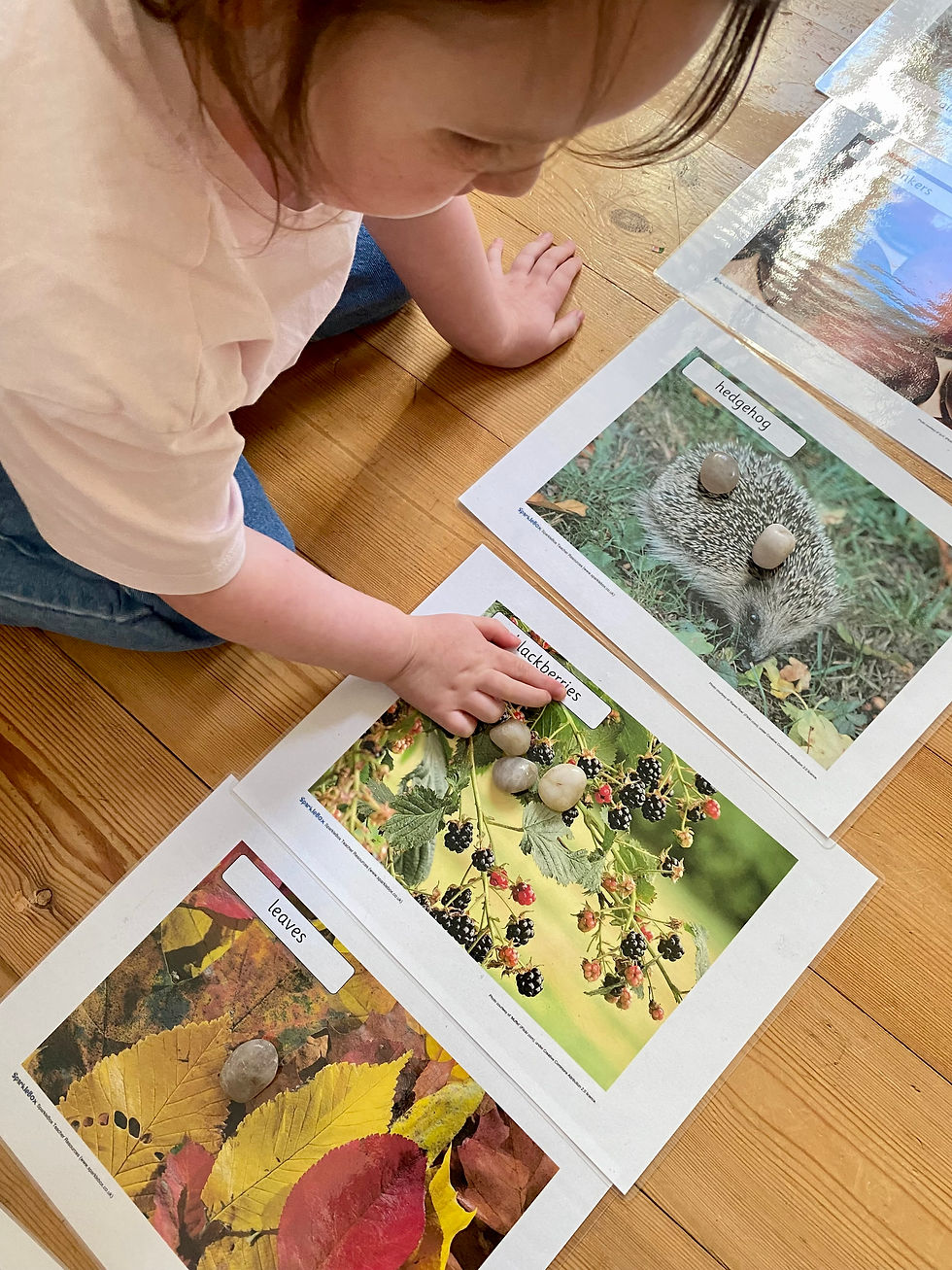
Reading isn’t just about sounding out words. It’s talking about pictures, noticing letters in the world around you, sharing stories at bedtime, or laughing together over a favourite page. All of these experiences strengthen a child’s understanding of how stories work and help them feel connected to reading long before fluency arrives.
3. Connection grows readers, not perfection
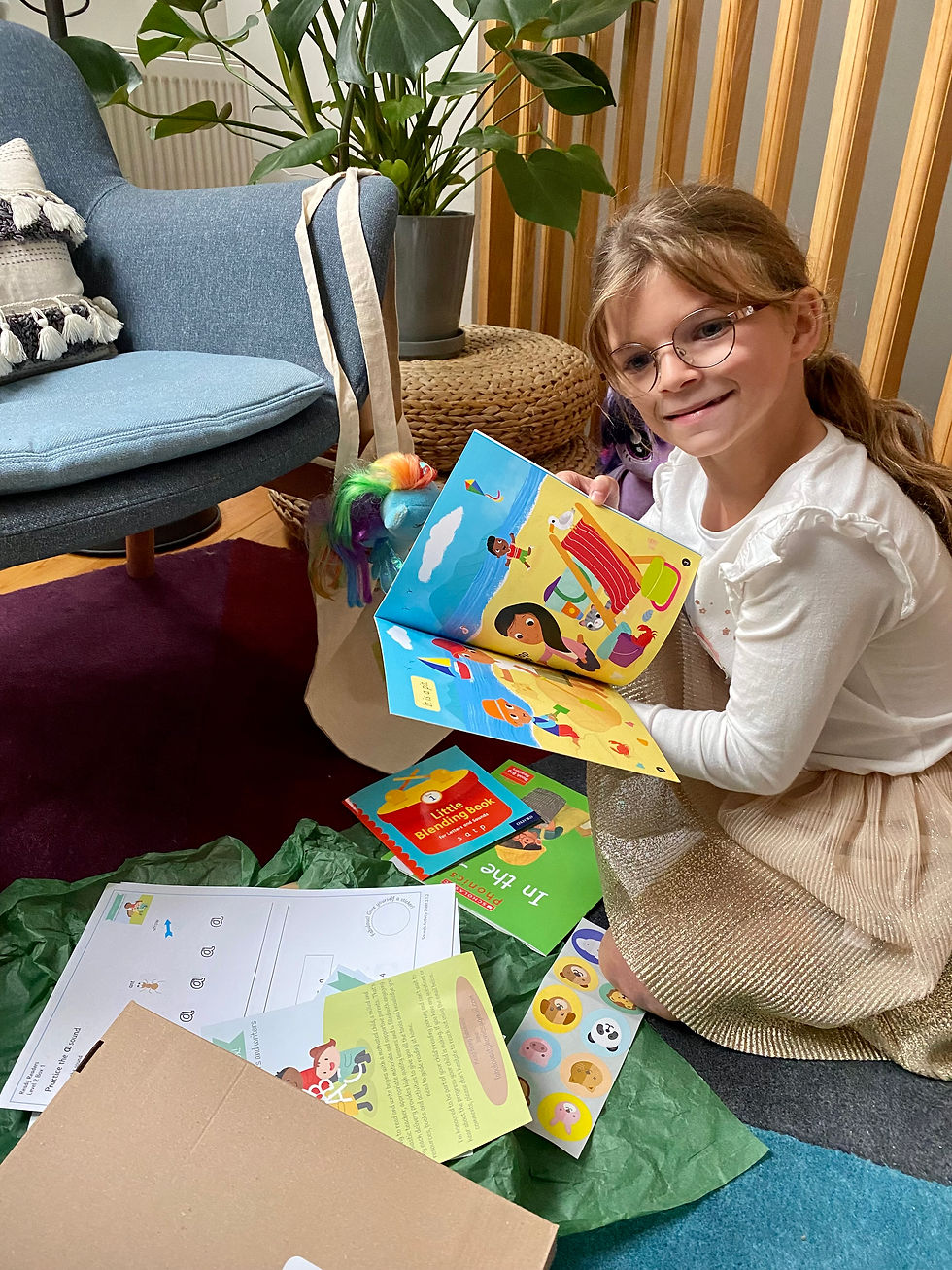
Children learn best when they feel calm, supported, and understood. When reading becomes a moment of connection rather than correction, everything shifts. A warm lap, a predictable routine, a gentle “let’s try that together”. These are the moments that help children feel like readers, even when the words are still tricky.
My Clarity‑First Approach
Every child deserves to feel steady and supported as they learn to read. That’s why I use a clarity‑first approach in all my teaching, resources, and training. Children make the most progress when the steps are predictable, the expectations are clear, and the learning feels calm rather than rushed.
Clarity reduces overwhelm. It helps children understand what to look for, what to try next, and how to recognise their own success. When reading feels organised and manageable, confidence grows naturally. And when confidence grows, everything else follows: motivation, resilience, and the quiet belief that “I can do this.”
This is the foundation I build into every mapped phonics activity, every parent guide, and every school training session. It’s simple, steady, and designed to help children feel like readers long before fluency arrives.

If You’d Like a Little More Support
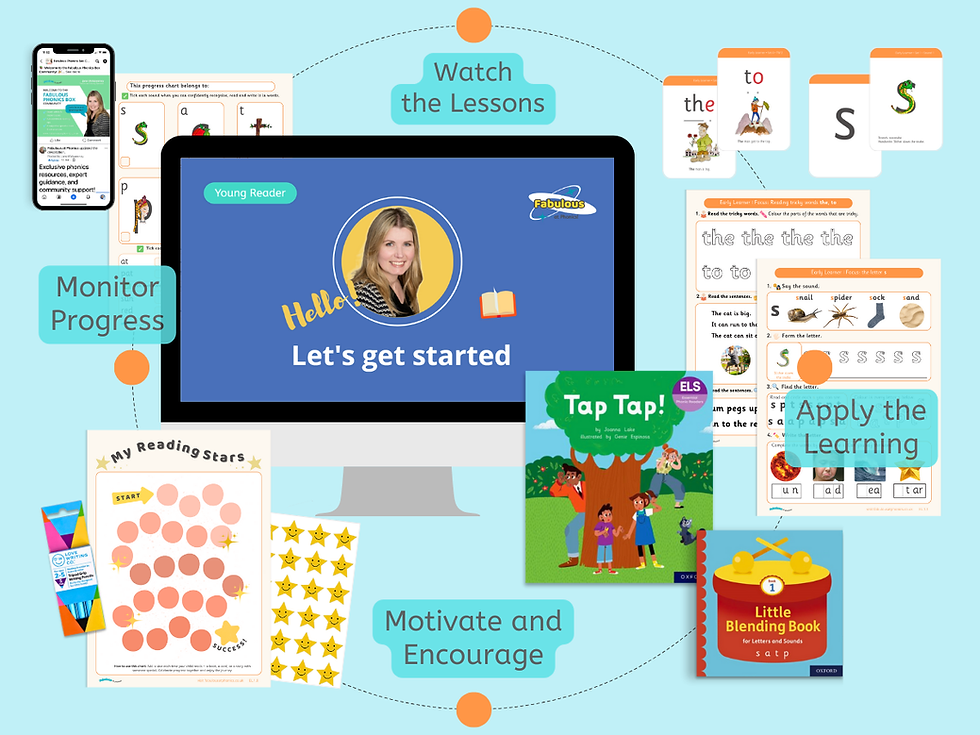
If you’re looking for clearer, calmer guidance as your child learns to read, I offer support that’s designed to take the pressure off both of you. My literacy tuition and phonics boxes follow the same clarity‑first approach you’ve read about here: simple steps, predictable routines, and steady confidence building.
You don’t have to navigate this alone. A little clarity can make everything feel lighter.
A Gentle Reminder
However your child feels about reading right now, you’re already doing more than you realise. Every shared story, every cosy moment, every “let’s look at this together” is building something far bigger than accuracy. It’s building belief.
The National Year of Reading is simply a reminder that small steps matter. You don’t need perfect routines or long reading sessions. You just need calm, predictable moments where your child feels safe, seen, and supported.
And that’s more than enough.


Comments