
🌱 What Are Early Writing Skills?

Introduction
Early writing skills are the very first step in a child’s literacy journey. It’s the stage where children begin to turn sounds into marks, experiment with shapes and letters, and discover that writing carries meaning. This process isn’t just about pen and paper, it’s about building confidence, developing fine motor skills, and opening the door to communication.
For many children, early writing can feel complicated. Tricky letter formations, remembering which marks matter, and staying motivated can all be barriers. That’s why support at this stage is so important. With the right guidance and resources, children can move from frustration to joy, and from confusion to confidence.

Why Early Writing Matters
Early writing is more than just the first marks on a page. It’s the foundation of literacy and communication. At this stage, children begin to understand that symbols carry meaning, and that their own marks can be used to share ideas, stories, and feelings.
Skill building: Early writing develops fine motor control, hand–eye coordination, and the ability to form shapes and letters with increasing accuracy.
Confidence: Each successful mark builds pride. Children start to see themselves as “writers,” which boosts self‑esteem and motivation.
Preparation: These first steps lay the groundwork for fluent handwriting, spelling, and reading. Without them, later literacy can feel like climbing a mountain without a path.
Communication: Writing gives children a new way to express themselves, opening doors to creativity and connection with others.
When children feel supported in this stage, they don’t just learn to write. They learn to believe in their ability to communicate and succeed.
Challenges Children Face
While early writing is full of potential, it can also feel complicated for children. Many encounter barriers that make the process frustrating rather than joyful:
Tricky letter formations: Some shapes are harder to master than others, and children can struggle to remember how to form them consistently.
Remembering which marks matter: At this stage, not every scribble carries meaning. Distinguishing between playful marks and purposeful writing can be confusing.
Staying motivated: When writing feels difficult, children may lose confidence or avoid practice altogether.
Parents feeling unsure: Families often want to help but aren’t sure which strategies or resources will make the biggest difference.
These challenges are common but with the right support, they don’t have to become roadblocks. Instead, they can be transformed into opportunities for growth, confidence, and joy.
How the Early Learner Box Helps
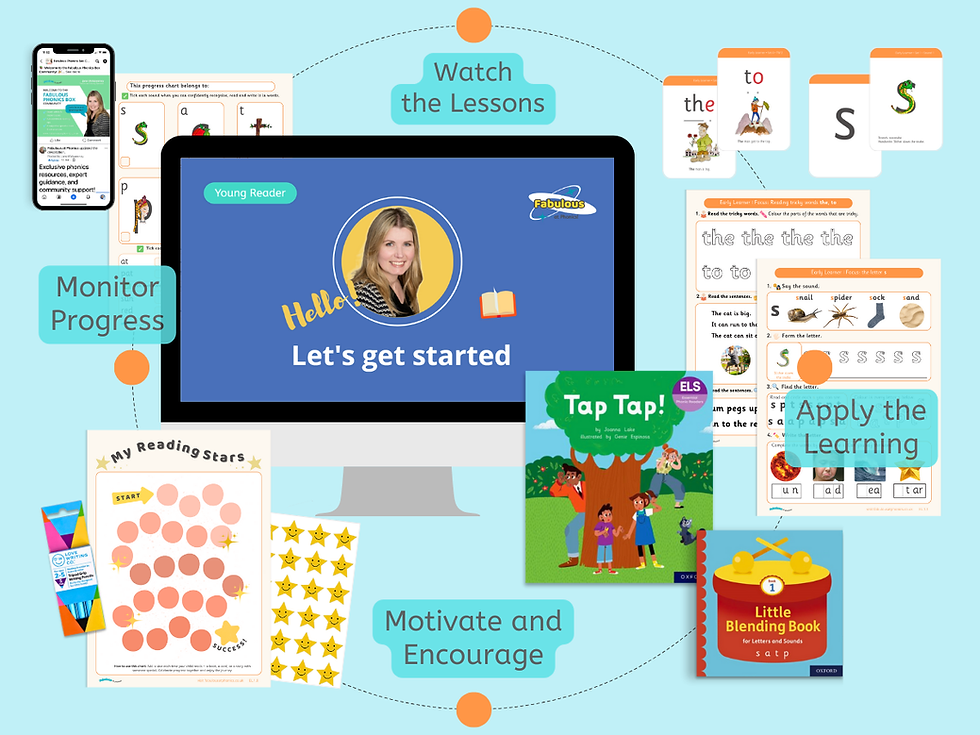
The Early Learner Box was designed to take the stress out of early writing and turn it into a joyful, achievable process. Each resource inside the box works together to guide children step by step:
Pictures: Visual cues help children connect sounds to shapes, making tricky letters easier to remember.
Handwriting phrases: Simple, memorable phrases give children a clear way to form letters correctly.
Flashcards: Quick, engaging practice sessions keep motivation high and reinforce learning.
Lessons & resources: Structured guidance supports both parents and teachers, ensuring children get consistent help.
Together, these tools transform early writing from something that feels complicated into an experience filled with confidence, clarity, and pride.

From Barriers to Belonging
Early writing isn’t just about learning letters. It’s about belonging. When children feel capable of putting their ideas onto paper, they gain a sense of pride and identity as “writers.” This confidence helps them see themselves as part of the learning community, not left behind by tricky letters or confusing tasks.
The Early Learner Box is designed to remove those barriers. By turning complex skills into simple, joyful steps, it ensures that every child can take part in the journey. Children discover that their marks carry meaning, their voice matters, and they belong in the world of communication.

Our boxes are more than just resources: they’re carefully designed to follow the same phonics pedagogy your child experiences in school. Every activity is grounded in research, recommended by education authorities, and created by accredited experts. That means you can feel confident you’re supporting learning the right way, with tools that truly make a difference.
📚 Research‑based
🏫 Aligned with school pedagogy
👩🏫 Expert‑designed
Supporting You Every Step of the Way
As a parent, you want to give your child the best start but it can be hard to know which strategies or resources will make the biggest difference. That’s where I come in.
The Early Learner Box provides clear, structured tools to guide your child step by step. And alongside the box, I’m here to support you in our group: a space where you can ask questions, share experiences, and feel reassured that you’re on the right path.

Together, we’ll make early writing joyful, achievable, and confidence‑building.


Comments