
Autumn foundations: gentle skills that make early reading and writing easier

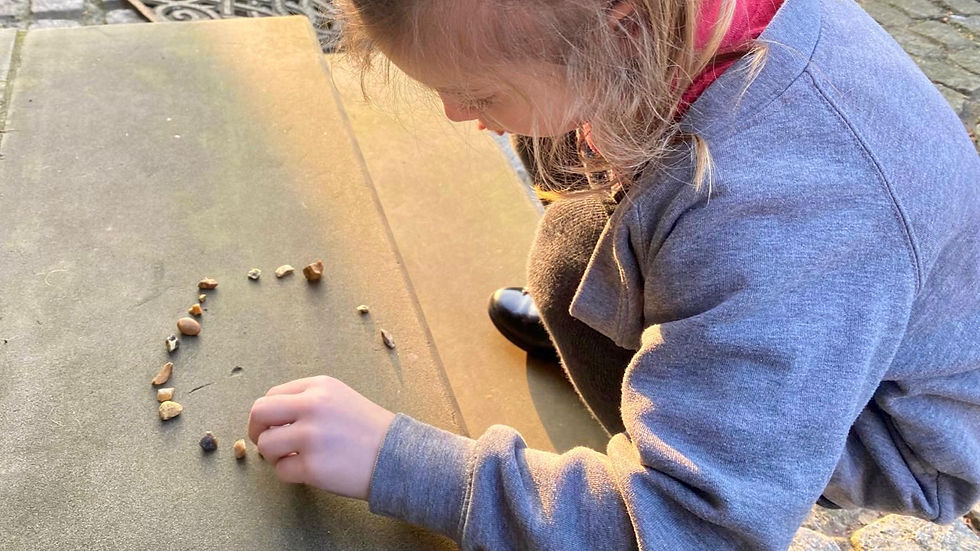
Autumn gives children a natural mix of movement, rhythm and sound play that quietly strengthens the foundations early reading and writing rely on. When children trace, tap, clap and colour, they are not simply keeping busy. They are building hand strength, developing pencil control, tuning into the beats inside words and storing sounds in memory. These gentle skills make early literacy feel lighter and more achievable, especially for children who need a little more time and practice.
Autumn is full of sensory moments that help children organise their bodies and tune into language. The crunch of leaves, the rhythm of footsteps and the simple act of collecting and sorting objects all support the early skills that reading and writing depend on. These experiences are small, but they matter.

The early challenges parents notice
Many parents see their child colouring messily, gripping the pencil tightly or becoming tired quickly. Others notice that their child struggles to hear the difference between similar sounds or guesses words when blending feels too difficult. These moments can feel worrying, but they are usually signs that the underlying foundations need strengthening.
Children are not behind. They simply need repeated, calm opportunities to build the muscles, memory and sound awareness that early reading and writing depend on. When these foundations are not yet secure, literacy feels harder than it needs to be. When they strengthen, everything becomes steadier.

The mapped approach behind the Early Learner Box Children make steady progress when the steps they are given match what their hands, ears and memory are ready for. When the level is too hard, children become frustrated. When it is too easy, they switch off. The Early Learner Box is built around the idea that children need the right challenge at the right moment. Every activity is placed intentionally, so each new skill rests on something your child has already mastered. This creates a gentle sense of success that builds confidence over time.
Parents often tell me they feel unsure about what to teach next or how to support their child without overwhelming them. The mapped structure inside the Early Learner Box removes this uncertainty. You do not have to guess whether your child is ready for blending or whether their pencil control is strong enough for letter formation. The sequence is already planned, and each activity prepares your child for the next step.
How autumn strengthens early literacy foundations Autumn activities naturally support the early literacy foundations children need. Tracing and colouring strengthen the small hand muscles that steady early writing. Simple movement and rhythm help children hear the beats inside words, which supports syllable awareness. Sound play builds auditory memory, helping children hold sounds long enough to blend them. These foundations work together to make reading and writing feel smoother and less frustrating.
When children practise these skills in a calm, structured way, they begin to recognise patterns in language. They hear sounds more clearly. They organise their movements more confidently. They approach early literacy with a sense of readiness rather than hesitation.

What progress looks like Progress often appears in small, reassuring moments. A child colours with more control. Their tapping becomes clearer. Their hand tires less quickly. They begin to hear sounds more accurately and blending starts to make sense. These gentle steps show that the foundations are strengthening. Confidence grows quietly in the background, and children begin to feel proud of themselves.
Progress is not loud or dramatic. It is steady, calm and visible in the way children approach tasks with more ease. When the foundations are secure, reading and writing feel lighter. When children need a little more support Some children benefit from extra modelling and guided practice. When this is the case, tuition strengthens the same foundations in a calm, personalised way. The approach stays consistent, so children experience the same clarity whether they are learning at home or in a session.

Supporting early reading and writing with confidence Whether through the Early Learner Box or tuition, children benefit from a mapped, intentional approach that builds the foundations they need at a steady pace. With the right support, early reading and writing feel lighter, calmer and far more achievable.


Comments